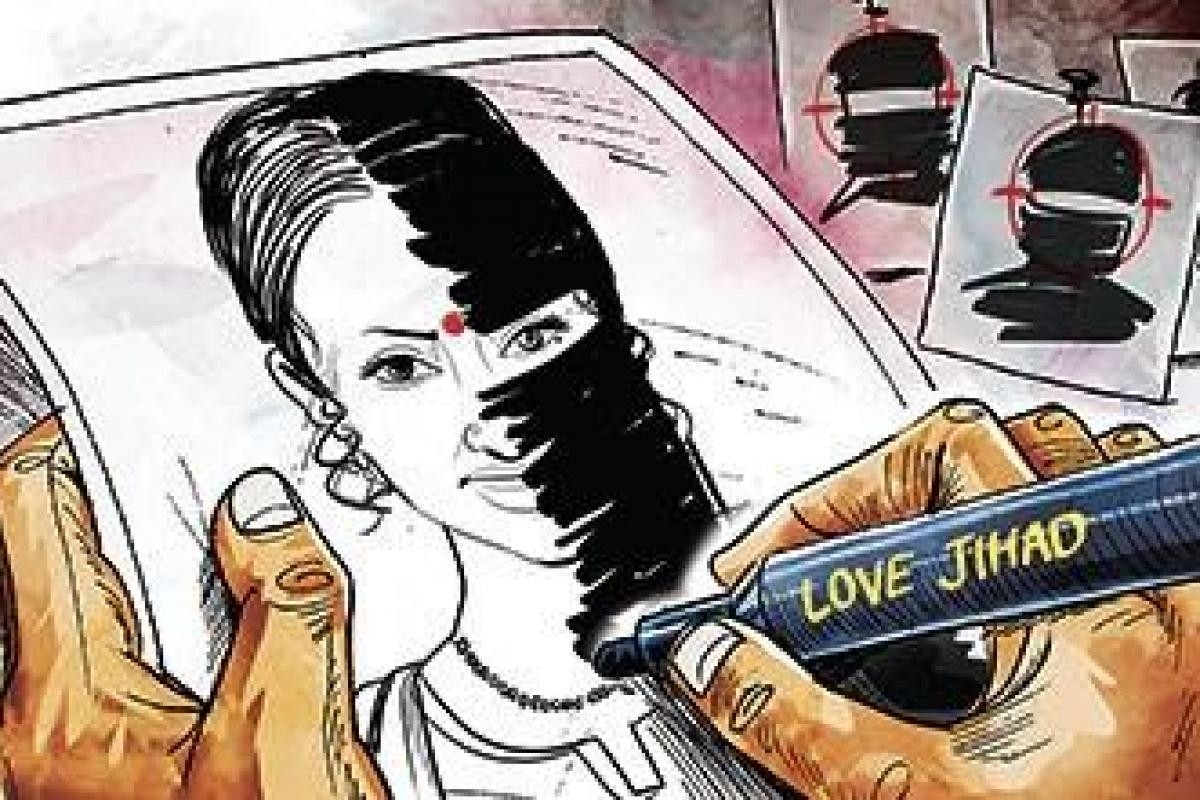
On June 11, Uttar Pradesh Governor's office directed all medical and dental colleges in the state to establish Religious Conversion Prevention Cells, also known as Dharmantaran Roktham Cells, following the religious conversion case involving a resident doctor at King George's Medical University (KGMU) and the disappearance of the daughter of an employee of Sanjay Gandhi Postgraduate Institute of Medical Sciences (SGPGI).
Acting on the directions of Governor Anandiben Patel, Atal Bihari Vajpayee Medical University has issued instructions to affiliated institutions. The Governor Secretariat has also directed all state universities and higher educational institutions to establish anti-radicalisation units and counselling centres to prevent illegal religious conversion attempts on campuses.
The directions were communicated through a letter dated May 29, 2026, issued by Dr Sudhir M Bobde, Special Executive Officer to the Chancellor, to vice-chancellors and directors of universities and higher educational institutions across Uttar Pradesh.
According to the letter, reports of attempts to influence students towards religious conversion through inducements, psychological pressure, fear, and other means were being received regularly. The communication stressed the need for institutions to remain vigilant and maintain a safe, religion-neutral, and academically focused environment.
The letter stated, "Any kind of illegal or forced religious conversion attempt carried out by influencing students, instilling fear, creating mental pressure or offering unethical inducements is completely unacceptable, unethical and contrary to law."
The directive comes nearly six months after a controversy at KGMU in December 2025, when a junior resident doctor was arrested over allegations of forced religious conversion and sexual exploitation. The case had triggered widespread debate in Uttar Pradesh and raised concerns about the vulnerability of students on educational campuses.
Under the new guidelines, universities have been instructed to activate and strengthen Anti-Radicalisation Units and Student Welfare Cells. Educational institutions have also been directed to include discussions on the issue during mentor-mentee meetings and student interaction sessions.
The Governor Secretariat has further ordered the establishment of counselling centres where students can confidentially report concerns related to mental pressure, inducements, suspicious approaches, or attempts to influence them.
The communication emphasises that universities are not merely centres of education but also institutions responsible for the moral, intellectual, and social development of young people. Therefore, they have a responsibility to identify and prevent activities that may adversely affect students.
Institutions have also been asked to use Parent-Teacher Association meetings and informal interactions to monitor students' well-being and identify concerns at an early stage.
Hostels and other sensitive areas on campuses will now face stricter monitoring. Universities have been directed to prevent the entry of unauthorised outsiders and conduct surprise inspections periodically.
The order further asks institutions to organise lectures, seminars, and awareness programmes on moral values, logical thinking, constitutional rights, and legal protections available to students.
The universities have been instructed to immediately inform local administration and police if any organisation, group, or individual is found engaging in suspicious activities linked to alleged conversion attempts.
Speaking to media after the directive was issued, a senior faculty member at KGMU confirmed that the university had received the Governor House instructions.
The faculty member said, "We have received the directions from the Governor House. While we had already formed a cell to check any complaints of conversion, we would strengthen it further."
According to the faculty member, "A case was registered in both these incidents and arrests have been made by the police."
The official added that one of the identified cases involved a non-medico individual who posed as a doctor and attempted to convince female students to accompany him to medical camps.
The latest directive comes amid the Yogi Adityanath government's continued focus on tackling alleged unlawful religious conversions. In recent years, the state government has repeatedly described such activities as a significant law and order issue and has strengthened provisions under the state's anti-conversion law.