The cost of instant leadership: Why the BJP must rethink lateral entry after the Annamalai exit
When K. Annamalai, a charismatic former IPS officer, joined the BJP, his entry was hailed as a major coup. However, the national leadership made a fundamental departure from standard operating procedure: they paralysed the organizational ladder.
Total Views |


The sudden resignation of K. Annamalai from the Bharatiya Janata Party (BJP), followed by intense speculation regarding the launch of a new regional, secular political outfit in Tamil Nadu, has sent shockwaves through the national political landscape. For a party like the BJP, which prides itself on systematic, grassroots-driven growth, this development is more than a regional setback; it is a critical case study. It exposes the structural hazards of promoting high-profile lateral entrants to supreme leadership positions without subjecting them to the rigorous organizational induction that defines the party’s core ethos.
The Anatomy of an Accelerated Rise
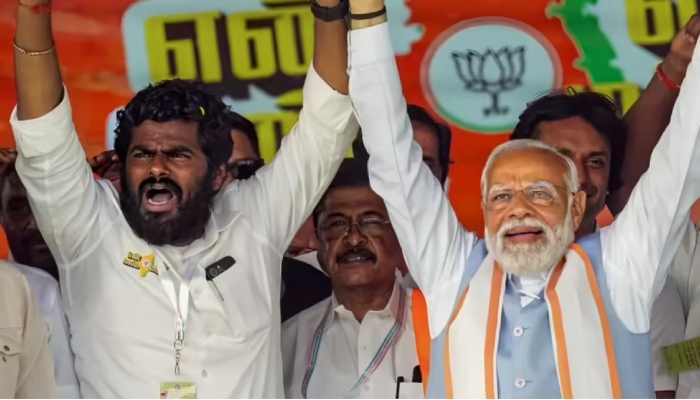
However, the national leadership made a fundamental departure from standard operating procedure: they paralysed the organizational ladder. Almost overnight, a leader who joined the party was elevated to the position of State President.
This meteoric rise bypassed a fundamental requirement of long-term political sustainability: organic credibility. Credibility within a highly structured cadre-based party cannot be measured solely by media visibility, viral social media clips, or high-decibel press conferences. True political credibility is earned by navigating the internal party structure, working alongside local booth committees, understanding the intricate psychology of the cadre, and managing the delicate balance of district-level factions. By placing an outsider at the absolute top, the leadership inadvertently built a house on sand.
The Friction Between Individualism and Party Cadre
A political party that has risen from a marginal force to a dominant national power does not achieve longevity by relying on individual messiahs; it survives on its institutional values and morale. The historical trajectory of the BJP, built brick by brick by leaders who spent decades in the trenches, relies on the primacy of the organization over the individual.
When a lateral entrant with no prior experience in the party cadre takes the wheel, a profound cultural mismatch occurs:
Ignorance of Internal Dynamics: A leader who has never served as a district secretary or regional coordinator cannot fully comprehend the unwritten codes, sacrifices, and loyalty systems of the grassroots workers.
Friction Over Strategy: The recent fallout reportedly stemmed from big ideological and strategic differences regarding candidate selection and alliance management. While the central leadership viewed an alliance through a pragmatic, macro-political lens, an individual-centric local leadership prioritized personal political purity over collective pragmatism.
The Cult of Personality vs. The Cadre: When leadership is built around an individual’s personal brand rather than the collective organizational identity, the party becomes vulnerable to the personal ambitions, frustrations, and sudden exits of that individual.
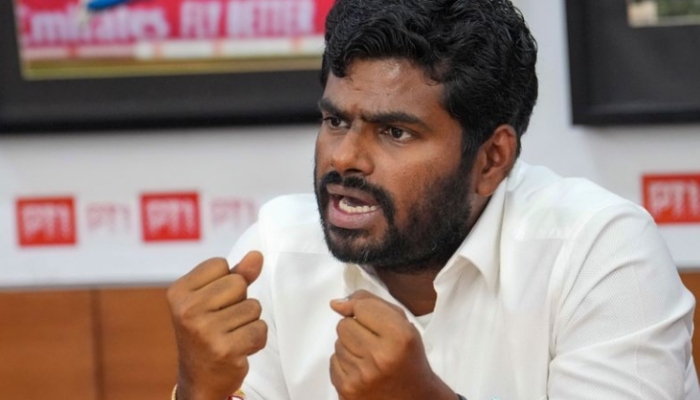
The Imperative for Mandatory Cadre Training
No individual, regardless of their public stature, should be given absolute control of a state unit without serving a mandatory probationary period in intermediate organizational roles. They must spend time as a joint secretary, department head, or regional in-charge. This intermediate step ensures two vital outcomes:
1. Cultural Acculturation: It forces the leader to absorb the values, patience, and humility required to command a voluntary cadre rather than a salaried police force or corporate staff.
The BJP did not become a massive political entity overnight through quick fixes or temporary electoral shortcuts. Its foundation rests on a step-by-step growth model driven by ideological conviction and organizational discipline. The lesson from the Annamalai episode is clear: while talent acquisition is necessary, shortcutting the organizational ladder damages the party's core morale. To build lasting power in new territories, the leadership must return to its foundational values, ensuring that those who lead the cadre have truly walked among them first.
The Anatomy of an Accelerated Rise
When K. Annamalai, a charismatic former IPS officer, joined the BJP, his entry was hailed as a major coup. In a state dominated by deep-rooted Dravidian identity politics, the BJP needed a fresh, aggressive face to break through the narrative barrier. Annamalai possessed undeniable public appeal, intellectual sharpness, and a strong work ethic.
However, the national leadership made a fundamental departure from standard operating procedure: they paralysed the organizational ladder. Almost overnight, a leader who joined the party was elevated to the position of State President.
This meteoric rise bypassed a fundamental requirement of long-term political sustainability: organic credibility. Credibility within a highly structured cadre-based party cannot be measured solely by media visibility, viral social media clips, or high-decibel press conferences. True political credibility is earned by navigating the internal party structure, working alongside local booth committees, understanding the intricate psychology of the cadre, and managing the delicate balance of district-level factions. By placing an outsider at the absolute top, the leadership inadvertently built a house on sand.
The Friction Between Individualism and Party Cadre
A political party that has risen from a marginal force to a dominant national power does not achieve longevity by relying on individual messiahs; it survives on its institutional values and morale. The historical trajectory of the BJP, built brick by brick by leaders who spent decades in the trenches, relies on the primacy of the organization over the individual.
Ignorance of Internal Dynamics: A leader who has never served as a district secretary or regional coordinator cannot fully comprehend the unwritten codes, sacrifices, and loyalty systems of the grassroots workers.
Friction Over Strategy: The recent fallout reportedly stemmed from big ideological and strategic differences regarding candidate selection and alliance management. While the central leadership viewed an alliance through a pragmatic, macro-political lens, an individual-centric local leadership prioritized personal political purity over collective pragmatism.
The Cult of Personality vs. The Cadre: When leadership is built around an individual’s personal brand rather than the collective organizational identity, the party becomes vulnerable to the personal ambitions, frustrations, and sudden exits of that individual.
The Core Mismatch: Lateral entrants often operate like corporate executives or bureaucratic heads, expecting absolute compliance. A political cadre, however, is fueled by emotional investment, ideological alignment, and mutual respect built over years of shared struggle.
The Imperative for Mandatory Cadre Training
The exit of Annamalai serves as a loud warning bell for national strategists. While attracting young professionals, bureaucrats, and domain experts is essential for a party's evolution, there must be a non-negotiable mechanism for mandatory cadre training and structural assimilation before granting higher executive command.
No individual, regardless of their public stature, should be given absolute control of a state unit without serving a mandatory probationary period in intermediate organizational roles. They must spend time as a joint secretary, department head, or regional in-charge. This intermediate step ensures two vital outcomes:
1. Cultural Acculturation: It forces the leader to absorb the values, patience, and humility required to command a voluntary cadre rather than a salaried police force or corporate staff.
2. Mutual Trust: It allows the existing, long-serving leadership and grassroots workers to accept the newcomer as "one of their own," preventing internal sabotage and emotional alienation.
Conclusion: Returning to the Value-Based Model
The unfolding events in Tamil Nadu, with rumors of a new "secular, Tamil-first" regional platform, prove that an unassimilated leader will always keep one foot out the door, ready to pivot when internal friction arises.
The BJP did not become a massive political entity overnight through quick fixes or temporary electoral shortcuts. Its foundation rests on a step-by-step growth model driven by ideological conviction and organizational discipline. The lesson from the Annamalai episode is clear: while talent acquisition is necessary, shortcutting the organizational ladder damages the party's core morale. To build lasting power in new territories, the leadership must return to its foundational values, ensuring that those who lead the cadre have truly walked among them first.