Wanted: One Mundhe Per Home
Total Views |


Twinkle Khanna has given Indian households a new reason to be nervous. Tukaram Mundhe has entered the kitchen. In her latest column, Twinkle describes how she has started behaving like Maharashtra’s famously strict officer at home, inspecting food with the seriousness of an enforcement raid. An expired packet is no longer an innocent forgotten packet. It is evidence. The kitchen is no longer merely a kitchen. It is practically a food-safety department.

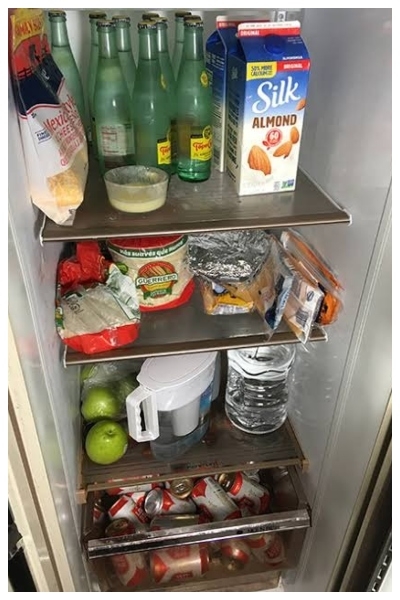
The refrigerator would become the first crime scene.
At 7.30 in the morning, the husband opens the fridge and reaches for yesterday’s sabzi.
“Stop!”
He freezes.
“When was this cooked?”
“Yesterday.”
“Which yesterday?”
“Sunday.”
“Today is Thursday.”
Silence.
“Dispose of it.”
“But it was refrigerated!”
“Appeal rejected.”
The sabzi goes into the dustbin.
The husband looks at his wife.
For the first time, he understands the meaning of regulatory authority. Indian kitchens would suddenly develop inspection squads. That mysterious container at the back of the refrigerator would be interrogated.
“What is this?”
“Dal.”
“When was it made?”
“I don't remember.”
“Then how do you know it is dal?”
There would be no answer.
Children would have an even harder time.
That packet of biscuits hiding behind the pickle jar for six months?
Seized.
The brightly coloured drink with ingredients nobody can pronounce?
Confiscated.
The chocolate secretly stored under the pillow for emergency consumption?
Evidence recovered.
A child returning from school with a packet of chips would be stopped at the entrance.
“Expiry date?”
“Next month.”
“Ingredients?”
The packet is produced.
“Why are you eating this?”
“I am hungry.”
“Eat a banana.”
The child would immediately realise that democracy has limits.
And then comes the most difficult operation of all: leftovers.
Indians have a beautiful and practical relationship with leftover food. Yesterday’s dal becomes today’s paratha filling. Rice gets a second life as fried rice. Dry vegetables are transformed into sandwiches. Nothing is wasted unnecessarily.
But there is a point at which leftover food stops being food and begins to acquire a personality.
That is when the household Mundhe must intervene.
“Why is this container labelled ‘DO NOT OPEN’?”
“I don't know.”
“Who put it there?”
“Your mother.”
“Call her.”
Suddenly, the entire family is under investigation.
But imagine what would happen if husbands and wives both became Mundhes.
Marriage itself would become a regulatory institution.
“You finished the last gulab jamun.”
“Where is the evidence?”
“You left the kitchen light on.”
“Violation.”
“You haven't exercised for three days.”
“Repeated violation.”
“You bought another pair of shoes.”
“That is personal.”
“No. That is financial misconduct.”
Children would demand legal representation.
Grandparents would seek anticipatory bail.
The family dog would probably claim diplomatic immunity.
But, beneath all this comedy lies a rather serious thought.
We are extremely careful about what enters our bodies.
We read labels. We check expiry dates. We worry about adulteration, preservatives, pesticides, sugar, salt and cholesterol.
But what about what enters our minds?
There is no expiry date printed on anger.
No warning label on hatred.
No FSSAI number on prejudice.
No “best before” date on jealousy.
Perhaps we need more than a Tukaram Mundhe in our kitchens.
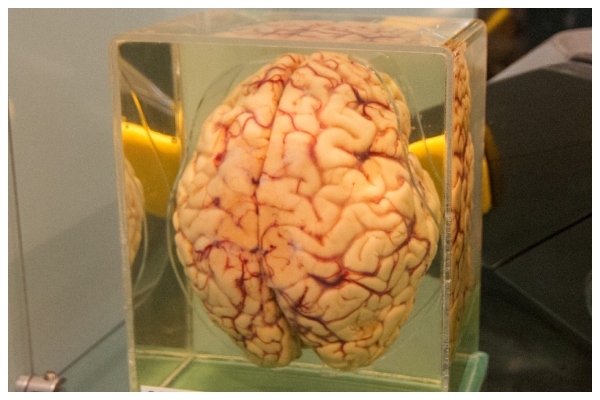 We need a little Tukaram Mundhe in our minds.
Someone inside us who occasionally stops us and asks:
Is this thought healthy?
Is this anger necessary?
Is this information true?
Is this bitterness worth carrying?
Should this resentment still occupy valuable shelf space in my mind?
Maybe every one of us needs an internal food-safety officer not for food, but for our emotions and thoughts.
Someone who says: Check before consuming.
Someone who conducts a surprise inspection of our prejudices.
Someone who throws out expired anger.
Someone who refuses to let toxic thoughts remain indefinitely in cold storage.
Healthy food is good for the body. Healthy thoughts are good for the mind. And a healthy mind is good for the entire human being.
So perhaps the next inspection should not begin with the refrigerator.
It should begin with us.
Open the fridge.
Check the labels.
Throw out what has expired.
Then open the mind.
Do the same.
Because cleanliness is not complete when the kitchen is clean.
We have to clean ourselves from within.And if Tukaram Mundhe can inspire us to do that, then perhaps every home really does need a Mundhe.
And that gave me a dangerous thought. What if every Indian home had its own Tukaram Mundhe?
Not one Mundhe in every government office. Not one in every district. One in every kitchen.The refrigerator would become the first crime scene.
At 7.30 in the morning, the husband opens the fridge and reaches for yesterday’s sabzi.
“Stop!”
He freezes.
“When was this cooked?”
“Yesterday.”
“Which yesterday?”
“Sunday.”
“Today is Thursday.”
Silence.
“Dispose of it.”
“But it was refrigerated!”
“Appeal rejected.”
The sabzi goes into the dustbin.
The husband looks at his wife.
For the first time, he understands the meaning of regulatory authority. Indian kitchens would suddenly develop inspection squads. That mysterious container at the back of the refrigerator would be interrogated.
“What is this?”
“Dal.”
“When was it made?”
“I don't remember.”
“Then how do you know it is dal?”
There would be no answer.
The container would be declared a biological mystery and removed from circulation.
ALSO READ: "The Ancient Wisdom Behind Dr. Bhagwat’s US Speech”
That packet of biscuits hiding behind the pickle jar for six months?
Seized.
The brightly coloured drink with ingredients nobody can pronounce?
Confiscated.
The chocolate secretly stored under the pillow for emergency consumption?
Evidence recovered.
A child returning from school with a packet of chips would be stopped at the entrance.
“Expiry date?”
“Next month.”
“Ingredients?”
The packet is produced.
“Why are you eating this?”
“I am hungry.”
“Eat a banana.”
ALSO READ: PM Modi Meets Kyrgyz President Sadyr Zhaparov, Reaffirms Strategic Partnership
And then comes the most difficult operation of all: leftovers.
Indians have a beautiful and practical relationship with leftover food. Yesterday’s dal becomes today’s paratha filling. Rice gets a second life as fried rice. Dry vegetables are transformed into sandwiches. Nothing is wasted unnecessarily.
But there is a point at which leftover food stops being food and begins to acquire a personality.
That is when the household Mundhe must intervene.
“Why is this container labelled ‘DO NOT OPEN’?”
“I don't know.”
“Who put it there?”
“Your mother.”
“Call her.”
Suddenly, the entire family is under investigation.
A refrigerator inspection could become more frightening than an income-tax raid. And husbands might finally discover that cleaning the fridge is not a favour to be performed only when guests are expected.
But imagine what would happen if husbands and wives both became Mundhes.
Marriage itself would become a regulatory institution.
“You finished the last gulab jamun.”
“Where is the evidence?”
“You left the kitchen light on.”
“Violation.”
“You haven't exercised for three days.”
“Repeated violation.”
“You bought another pair of shoes.”
“That is personal.”
“No. That is financial misconduct.”
Children would demand legal representation.
Grandparents would seek anticipatory bail.
The family dog would probably claim diplomatic immunity.
Within a fortnight, every Indian household would have its own compliance department.
ALSO READ: Delhi Police Bust Alleged ISI-Backed Espionage Module, Couple Arrested
We are extremely careful about what enters our bodies.
We read labels. We check expiry dates. We worry about adulteration, preservatives, pesticides, sugar, salt and cholesterol.
But what about what enters our minds?
There is no expiry date printed on anger.
No warning label on hatred.
No FSSAI number on prejudice.
No “best before” date on jealousy.
We keep old insults carefully refrigerated. We allow resentment to sit inside us for years. We consume gossip without checking its ingredients. We forward rumours without reading the label. We swallow negativity and then wonder why the mind feels unhealthy.
Someone inside us who occasionally stops us and asks:
Is this thought healthy?
Is this anger necessary?
Is this information true?
Is this bitterness worth carrying?
Should this resentment still occupy valuable shelf space in my mind?
Maybe every one of us needs an internal food-safety officer not for food, but for our emotions and thoughts.
Someone who says: Check before consuming.
Someone who conducts a surprise inspection of our prejudices.
Someone who throws out expired anger.
Someone who refuses to let toxic thoughts remain indefinitely in cold storage.
Healthy food is good for the body. Healthy thoughts are good for the mind. And a healthy mind is good for the entire human being.
It should begin with us.
Open the fridge.
Check the labels.
Throw out what has expired.
Then open the mind.
Do the same.
Because cleanliness is not complete when the kitchen is clean.
We have to clean ourselves from within.And if Tukaram Mundhe can inspire us to do that, then perhaps every home really does need a Mundhe.